第9节:微服务架构设计原则
·
📚 课程目标
通过本课程的学习,学员将能够:
- 深入理解微服务架构的核心设计原则
- 掌握服务拆分的方法和策略
- 学会服务间通信机制的设计
- 具备负载均衡与容错设计的能力
🎯 课程大纲
- 微服务架构概述
- 服务拆分原则与方法
- 服务间通信机制
- 负载均衡设计
- 容错与熔断机制
- 微服务治理
📖 课程内容
1. 微服务架构概述
微服务架构是一种将单一应用程序开发为一组小型服务的方法,每个服务运行在自己的进程中,并通过轻量级机制进行通信。
1.1 微服务架构特点
服务独立性
- 独立开发部署
- 独立技术栈
- 独立数据存储
- 独立团队负责
去中心化
- 数据管理去中心化
- 治理去中心化
- 技术栈去中心化
- 团队去中心化
故障隔离
- 服务间故障隔离
- 独立故障处理
- 快速故障恢复
- 系统整体可用性

1.2 微服务核心实现
服务注册与发现
import asyncio
import aiohttp
from typing import Dict, List, Optional
import json
import time

class ServiceRegistry:
    """服务注册中心"""
    def __init__(self):
        self.services: Dict[str, List[Dict]] = {}
        self.health_check_interval = 30

    async def register_service(self, service_name: str, service_info: Dict):
        """注册服务"""
        if service_name not in self.services:
            self.services[service_name] = []

        service_info['registered_at'] = time.time()
        self.services[service_name].append(service_info)
        print(f"服务 {service_name} 注册成功: {service_info}")

    async def discover_services(self, service_name: str) -> List[Dict]:
        """发现服务"""
        return self.services.get(service_name, [])

    async def health_check(self):
        """健康检查"""
        while True:
            for service_name, instances in self.services.items():
                for instance in instances[:]:  # 创建副本避免修改时迭代
                    try:
                        async with aiohttp.ClientSession() as session:
                            async with session.get(f"http://{instance['host']}:{instance['port']}/health") as resp:
                                if resp.status != 200:
                                    self.services[service_name].remove(instance)
                                    print(f"移除不健康服务: {instance}")
                    except Exception as e:
                        self.services[service_name].remove(instance)
                        print(f"健康检查失败,移除服务: {instance}, 错误: {e}")

            await asyncio.sleep(self.health_check_interval)

class ServiceProvider:
    """服务提供者"""
    def __init__(self, service_name: str, host: str, port: int, registry_url: str):
        self.service_name = service_name
        self.host = host
        self.port = port
        self.registry_url = registry_url
        self.registry = ServiceRegistry()

    async def start_service(self):
        """启动服务"""
        # 注册到注册中心
        service_info = {
            'host': self.host,
            'port': self.port,
            'status': 'healthy'
        }
        await self.registry.register_service(self.service_name, service_info)
        print(f"服务 {self.service_name} 启动在 {self.host}:{self.port}")

class ServiceConsumer:
    """服务消费者"""
    def __init__(self, registry_url: str):
        self.registry_url = registry_url
        self.registry = ServiceRegistry()

    async def call_service(self, service_name: str, endpoint: str, data: Dict = None):
        """调用服务"""
        # 发现服务
        services = await self.registry.discover_services(service_name)
        if not services:
            raise Exception(f"未找到服务: {service_name}")

        # 负载均衡选择服务
        service = self._load_balance(services)

        # 调用服务
        url = f"http://{service['host']}:{service['port']}/{endpoint}"
        async with aiohttp.ClientSession() as session:
            async with session.post(url, json=data) as resp:
                return await resp.json()

    def _load_balance(self, services: List[Dict]) -> Dict:
        """负载均衡策略 - 轮询"""
        # 简单的轮询策略
        return services[0]  # 实际应该维护状态
服务间通信实现
import asyncio
from abc import ABC, abstractmethod
from typing import Any, Dict, List
import aiohttp
import json

class ServiceCommunication:
    """服务间通信基类"""
    def __init__(self, service_name: str):
        self.service_name = service_name
        self.session = None

    async def __aenter__(self):
        self.session = aiohttp.ClientSession()
        return self

    async def __aexit__(self, exc_type, exc_val, exc_tb):
        if self.session:
            await self.session.close()

    @abstractmethod
    async def send_request(self, target_service: str, endpoint: str, data: Dict) -> Any:
        """发送请求"""
        pass

class HTTPCommunication(ServiceCommunication):
    """HTTP通信实现"""
    def __init__(self, service_name: str, registry: ServiceRegistry):
        super().__init__(service_name)
        self.registry = registry

    async def send_request(self, target_service: str, endpoint: str, data: Dict) -> Any:
        """发送HTTP请求"""
        # 发现目标服务
        services = await self.registry.discover_services(target_service)
        if not services:
            raise Exception(f"服务 {target_service} 不可用")

        # 选择服务实例
        service = services[0]  # 简化处理

        # 发送请求
        url = f"http://{service['host']}:{service['port']}/{endpoint}"
        async with self.session.post(url, json=data) as resp:
            if resp.status == 200:
                return await resp.json()
            else:
                raise Exception(f"请求失败: {resp.status}")

class MessageQueueCommunication(ServiceCommunication):
    """消息队列通信实现"""
    def __init__(self, service_name: str, queue_url: str):
        super().__init__(service_name)
        self.queue_url = queue_url

    async def send_request(self, target_service: str, endpoint: str, data: Dict) -> Any:
        """发送消息队列请求"""
        message = {
            'target_service': target_service,
            'endpoint': endpoint,
            'data': data,
            'source_service': self.service_name,
            'timestamp': time.time()
        }

        # 发送到消息队列
        async with self.session.post(f"{self.queue_url}/publish", json=message) as resp:
            if resp.status == 200:
                return await resp.json()
            else:
                raise Exception(f"消息发送失败: {resp.status}")

# 使用示例
async def main():
    # 创建注册中心
    registry = ServiceRegistry()

    # 启动健康检查
    asyncio.create_task(registry.health_check())

    # 创建服务提供者
    user_service = ServiceProvider("user-service", "localhost", 8001, "http://localhost:8000")
    await user_service.start_service()

    # 创建服务消费者
    consumer = ServiceConsumer("http://localhost:8000")

    # 调用服务
    try:
        result = await consumer.call_service("user-service", "api/users", {"action": "list"})
        print(f"调用结果: {result}")
    except Exception as e:
        print(f"调用失败: {e}")

if __name__ == "__main__":
    asyncio.run(main())
1.2 微服务 vs 单体架构
| 对比维度 | 单体架构 | 微服务架构 |
|---|---|---|
| 开发复杂度 | 简单 | 复杂 |
| 部署复杂度 | 简单 | 复杂 |
| 扩展性 | 垂直扩展 | 水平扩展 |
| 技术栈 | 统一 | 多样化 |
| 数据一致性 | 强一致性 | 最终一致性 |
| 故障影响 | 全局影响 | 局部影响 |
| 团队协作 | 集中式 | 分布式 |
1.3 微服务适用场景
适合微服务的场景
- 大型复杂应用
- 多团队开发
- 快速业务变化
- 技术栈多样化需求
不适合微服务的场景
- 小型简单应用
- 单体团队开发
- 性能要求极高
- 强一致性要求
2. 服务拆分原则与方法
2.1 服务拆分原则
单一职责原则
- 每个服务只负责一个业务功能
- 高内聚,低耦合
- 清晰的边界定义
业务能力拆分
- 按业务领域拆分
- 按用户界面拆分
- 按数据拆分
数据驱动拆分
- 按数据模型拆分
- 按数据访问模式拆分
- 按数据一致性需求拆分

2.2 服务拆分实现
服务边界分析器
from typing import List, Dict, Set, Tuple
from dataclasses import dataclass
import networkx as nx

@dataclass
class ServiceBoundary:
    """服务边界定义"""
    name: str
    domain: str
    responsibilities: List[str]
    data_entities: Set[str]
    dependencies: Set[str]
    team: str

class ServiceSplitter:
    """服务拆分器"""
    def __init__(self):
        self.coupling_matrix = {}
        self.dependency_graph = nx.DiGraph()

    def analyze_coupling(self, modules: List[Dict]) -> Dict[Tuple[str, str], float]:
        """分析模块间耦合度"""
        coupling_scores = {}

        for i, module_a in enumerate(modules):
            for j, module_b in enumerate(modules):
                if i != j:
                    score = self._calculate_coupling_score(module_a, module_b)
                    coupling_scores[(module_a['name'], module_b['name'])] = score

                    # 构建依赖图
                    if score > 0.3:  # 高耦合阈值
                        self.dependency_graph.add_edge(
                            module_a['name'],
                            module_b['name'],
                            weight=score
                        )

        return coupling_scores

    def _calculate_coupling_score(self, module_a: Dict, module_b: Dict) -> float:
        """计算耦合度分数"""
        score = 0.0

        # 数据耦合 (30%)
        shared_data = set(module_a.get('data_entities', [])) & set(module_b.get('data_entities', []))
        score += len(shared_data) * 0.3

        # 功能耦合 (20%)
        shared_functions = set(module_a.get('functions', [])) & set(module_b.get('functions', []))
        score += len(shared_functions) * 0.2

        # 接口耦合 (10%)
        interface_calls = module_a.get('calls', {}).get(module_b['name'], 0)
        score += interface_calls * 0.1

        # 团队耦合 (40%)
        if module_a.get('team') == module_b.get('team'):
            score += 0.4

        return min(score, 1.0)

    def suggest_split(self, modules: List[Dict], threshold: float = 0.5) -> List[ServiceBoundary]:
        """建议服务拆分"""
        coupling_scores = self.analyze_coupling(modules)

        # 找出高耦合的模块对
        high_coupling_pairs = [
            (pair, score) for pair, score in coupling_scores.items()
            if score > threshold
        ]

        # 基于耦合度进行分组
        service_groups = self._group_high_coupling_modules(modules, high_coupling_pairs)

        # 生成服务边界
        services = []
        for group in service_groups:
            service = self._create_service_from_group(group)
            services.append(service)

        return services

    def _group_high_coupling_modules(self, modules: List[Dict], high_coupling_pairs: List) -> List[List[Dict]]:
        """将高耦合模块分组"""
        groups = []
        processed = set()

        for module in modules:
            if module['name'] in processed:
                continue

            group = [module]
            processed.add(module['name'])

            # 找到与当前模块高耦合的其他模块
            for (mod_a, mod_b), score in high_coupling_pairs:
                if mod_a == module['name'] and mod_b not in processed:
                    other_module = next(m for m in modules if m['name'] == mod_b)
                    group.append(other_module)
                    processed.add(mod_b)
                elif mod_b == module['name'] and mod_a not in processed:
                    other_module = next(m for m in modules if m['name'] == mod_a)
                    group.append(other_module)
                    processed.add(mod_a)

            groups.append(group)

        return groups

    def _create_service_from_group(self, group: List[Dict]) -> ServiceBoundary:
        """从模块组创建服务"""
        service_name = f"service_{len(self.coupling_matrix) + 1}"
        domain = group[0].get('domain', 'unknown')

        # 合并所有职责和数据实体
        all_responsibilities = []
        all_data_entities = set()
        all_dependencies = set()

        for module in group:
            all_responsibilities.extend(module.get('responsibilities', []))
            all_data_entities.update(module.get('data_entities', []))
            all_dependencies.update(module.get('dependencies', []))

        return ServiceBoundary(
            name=service_name,
            domain=domain,
            responsibilities=all_responsibilities,
            data_entities=all_data_entities,
            dependencies=all_dependencies,
            team=group[0].get('team', 'unknown')
        )

# 使用示例
modules = [
    {
        'name': 'user_management',
        'domain': 'user',
        'responsibilities': ['user_registration', 'user_authentication'],
        'data_entities': ['users', 'user_profiles'],
        'functions': ['create_user', 'authenticate_user'],
        'team': 'team_a',
        'calls': {'order_management': 5}
    },
    {
        'name': 'order_processing',
        'domain': 'order',
        'responsibilities': ['order_creation', 'order_fulfillment'],
        'data_entities': ['orders', 'order_items'],
        'functions': ['create_order', 'process_payment'],
        'team': 'team_b',
        'calls': {'user_management': 3, 'inventory_management': 8}
    },
    {
        'name': 'inventory_management',
        'domain': 'inventory',
        'responsibilities': ['stock_management', 'inventory_tracking'],
        'data_entities': ['products', 'inventory'],
        'functions': ['update_stock', 'check_availability'],
        'team': 'team_c',
        'calls': {'order_processing': 2}
    }
]

# 执行拆分
splitter = ServiceSplitter()
services = splitter.suggest_split(modules, threshold=0.3)

for service in services:
    print(f"服务: {service.name}")
    print(f"领域: {service.domain}")
    print(f"职责: {service.responsibilities}")
    print(f"数据实体: {list(service.data_entities)}")
    print("---")
熔断器模式实现
import asyncio
import time
from enum import Enum
from typing import Callable, Any
import logging

class CircuitBreakerState(Enum):
    CLOSED = "closed"      # 关闭状态 - 正常调用
    OPEN = "open"          # 打开状态 - 快速失败
    HALF_OPEN = "half_open"  # 半开状态 - 试探调用

class CircuitBreaker:
    """熔断器实现"""
    def __init__(self,
                 failure_threshold: int = 5,
                 timeout: int = 60,
                 expected_exception: Exception = Exception):
        self.failure_threshold = failure_threshold
        self.timeout = timeout
        self.expected_exception = expected_exception

        self.failure_count = 0
        self.last_failure_time = None
        self.state = CircuitBreakerState.CLOSED

        self.logger = logging.getLogger(__name__)

    async def call(self, func: Callable, *args, **kwargs) -> Any:
        """调用服务"""
        if self.state == CircuitBreakerState.OPEN:
            if time.time() - self.last_failure_time > self.timeout:
                self.state = CircuitBreakerState.HALF_OPEN
                self.logger.info("熔断器进入半开状态")
            else:
                raise Exception("熔断器处于打开状态,服务不可用")

        try:
            result = await func(*args, **kwargs)
            self._on_success()
            return result
        except self.expected_exception as e:
            self._on_failure()
            raise e

    def _on_success(self):
        """成功回调"""
        self.failure_count = 0
        self.state = CircuitBreakerState.CLOSED
        self.logger.info("熔断器重置为关闭状态")

    def _on_failure(self):
        """失败回调"""
        self.failure_count += 1
        self.last_failure_time = time.time()

        if self.failure_count >= self.failure_threshold:
            self.state = CircuitBreakerState.OPEN
            self.logger.warning(f"熔断器打开,失败次数: {self.failure_count}")

# 使用示例
async def unreliable_service_call():
    """模拟不可靠的服务调用"""
    import random
    if random.random() < 0.7:  # 70% 失败率
        raise Exception("服务调用失败")
    return "服务调用成功"

async def main():
    # 创建熔断器
    circuit_breaker = CircuitBreaker(failure_threshold=3, timeout=10)

    # 测试熔断器
    for i in range(10):
        try:
            result = await circuit_breaker.call(unreliable_service_call)
            print(f"调用 {i+1}: {result}")
        except Exception as e:
            print(f"调用 {i+1}: {e}")

        await asyncio.sleep(1)

if __name__ == "__main__":
    asyncio.run(main())
2.2 拆分策略
水平拆分
- 按功能模块拆分
- 按业务流程拆分
- 按用户群体拆分
核心代码实现
# 微服务拆分策略实现
from abc import ABC, abstractmethod
from typing import List, Dict, Any
import asyncio
import aiohttp

class ServiceBoundary:
    """服务边界定义"""
    def __init__(self, name: str, domain: str, responsibilities: List[str]):
        self.name = name
        self.domain = domain
        self.responsibilities = responsibilities
        self.dependencies = []
        self.data_ownership = []

    def add_dependency(self, service_name: str, dependency_type: str):
        """添加服务依赖"""
        self.dependencies.append({
            'service': service_name,
            'type': dependency_type  # 'data', 'function', 'event'
        })

    def add_data_ownership(self, data_type: str, access_pattern: str):
        """添加数据所有权"""
        self.data_ownership.append({
            'type': data_type,
            'access_pattern': access_pattern
        })

class ServiceSplitter:
    """服务拆分器"""
    def __init__(self):
        self.services = {}
        self.coupling_matrix = {}

    def analyze_coupling(self, modules: List[Dict[str, Any]]):
        """分析模块间耦合度"""
        coupling_scores = {}

        for i, module_a in enumerate(modules):
            for j, module_b in enumerate(modules):
                if i != j:
                    score = self._calculate_coupling_score(module_a, module_b)
                    coupling_scores[(module_a['name'], module_b['name'])] = score

        return coupling_scores

    def _calculate_coupling_score(self, module_a: Dict, module_b: Dict) -> float:
        """计算耦合度分数"""
        score = 0.0

        # 数据耦合
        shared_data = set(module_a.get('data_entities', [])) & set(module_b.get('data_entities', []))
        score += len(shared_data) * 0.3

        # 功能耦合
        shared_functions = set(module_a.get('functions', [])) & set(module_b.get('functions', []))
        score += len(shared_functions) * 0.2

        # 接口耦合
        interface_calls = module_a.get('calls', {}).get(module_b['name'], 0)
        score += interface_calls * 0.1

        # 团队耦合
        if module_a.get('team') == module_b.get('team'):
            score += 0.4

        return min(score, 1.0)

    def suggest_split(self, modules: List[Dict[str, Any]], threshold: float = 0.5):
        """建议服务拆分"""
        coupling_scores = self.analyze_coupling(modules)

        # 找出高耦合的模块对
        high_coupling_pairs = [
            (pair, score) for pair, score in coupling_scores.items()
            if score > threshold
        ]

        # 基于耦合度进行分组
        service_groups = self._group_high_coupling_modules(modules, high_coupling_pairs)

        # 生成服务边界
        services = []
        for group in service_groups:
            service = self._create_service_from_group(group)
            services.append(service)

        return services

    def _group_high_coupling_modules(self, modules: List[Dict], high_coupling_pairs: List):
        """将高耦合模块分组"""
        groups = []
        processed = set()

        for module in modules:
            if module['name'] in processed:
                continue

            group = [module]
            processed.add(module['name'])

            # 找到与当前模块高耦合的其他模块
            for (mod_a, mod_b), score in high_coupling_pairs:
                if mod_a == module['name'] and mod_b not in processed:
                    other_module = next(m for m in modules if m['name'] == mod_b)
                    group.append(other_module)
                    processed.add(mod_b)
                elif mod_b == module['name'] and mod_a not in processed:
                    other_module = next(m for m in modules if m['name'] == mod_a)
                    group.append(other_module)
                    processed.add(mod_a)

            groups.append(group)

        return groups

    def _create_service_from_group(self, group: List[Dict]) -> ServiceBoundary:
        """从模块组创建服务"""
        service_name = f"service_{len(self.services) + 1}"
        domain = group[0].get('domain', 'unknown')

        # 合并所有职责
        all_responsibilities = []
        for module in group:
            all_responsibilities.extend(module.get('responsibilities', []))

        service = ServiceBoundary(service_name, domain, all_responsibilities)

        # 添加数据所有权
        for module in group:
            for data_entity in module.get('data_entities', []):
                service.add_data_ownership(data_entity, 'read_write')

        return service

# 垂直拆分实现
class VerticalSplitter:
    """垂直拆分器 - 按业务领域拆分"""
    def __init__(self):
        self.business_domains = {}

    def identify_domains(self, business_requirements: List[Dict[str, Any]]):
        """识别业务领域"""
        domains = {}

        for req in business_requirements:
            domain = req.get('domain', 'general')
            if domain not in domains:
                domains[domain] = {
                    'name': domain,
                    'requirements': [],
                    'entities': set(),
                    'use_cases': []
                }

            domains[domain]['requirements'].append(req)
            domains[domain]['entities'].update(req.get('entities', []))
            domains[domain]['use_cases'].extend(req.get('use_cases', []))

        return domains

    def create_services_by_domain(self, domains: Dict[str, Any]):
        """按领域创建服务"""
        services = []

        for domain_name, domain_info in domains.items():
            service = ServiceBoundary(
                name=f"{domain_name}_service",
                domain=domain_name,
                responsibilities=domain_info['use_cases']
            )

            # 添加数据所有权
            for entity in domain_info['entities']:
                service.add_data_ownership(entity, 'read_write')

            services.append(service)

        return services

# 混合拆分实现
class HybridSplitter:
    """混合拆分器"""
    def __init__(self):
        self.horizontal_splitter = ServiceSplitter()
        self.vertical_splitter = VerticalSplitter()

    def split_services(self,
                      modules: List[Dict[str, Any]],
                      business_requirements: List[Dict[str, Any]],
                      strategy: str = 'hybrid'):
        """混合拆分服务"""
        if strategy == 'horizontal':
            return self.horizontal_splitter.suggest_split(modules)
        elif strategy == 'vertical':
            domains = self.vertical_splitter.identify_domains(business_requirements)
            return self.vertical_splitter.create_services_by_domain(domains)
        else:  # hybrid
            # 先按垂直拆分
            domains = self.vertical_splitter.identify_domains(business_requirements)
            vertical_services = self.vertical_splitter.create_services_by_domain(domains)

            # 再按水平拆分细化
            refined_services = []
            for service in vertical_services:
                # 将服务内部的模块进一步拆分
                internal_modules = self._extract_internal_modules(service, modules)
                if len(internal_modules) > 1:
                    sub_services = self.horizontal_splitter.suggest_split(internal_modules)
                    refined_services.extend(sub_services)
                else:
                    refined_services.append(service)

            return refined_services

    def _extract_internal_modules(self, service: ServiceBoundary, modules: List[Dict]):
        """提取服务内部模块"""
        internal_modules = []
        for module in modules:
            if module.get('domain') == service.domain:
                internal_modules.append(module)
        return internal_modules

# 使用示例
modules = [
    {
        'name': 'user_management',
        'domain': 'user',
        'responsibilities': ['user_registration', 'user_authentication'],
        'data_entities': ['users', 'user_profiles'],
        'functions': ['create_user', 'authenticate_user'],
        'team': 'team_a'
    },
    {
        'name': 'order_processing',
        'domain': 'order',
        'responsibilities': ['order_creation', 'order_fulfillment'],
        'data_entities': ['orders', 'order_items'],
        'functions': ['create_order', 'process_payment'],
        'team': 'team_b'
    },
    {
        'name': 'inventory_management',
        'domain': 'inventory',
        'responsibilities': ['stock_management', 'inventory_tracking'],
        'data_entities': ['products', 'inventory'],
        'functions': ['update_stock', 'check_availability'],
        'team': 'team_c'
    }
]

business_requirements = [
    {
        'domain': 'user',
        'entities': ['users', 'user_profiles'],
        'use_cases': ['user_registration', 'user_authentication']
    },
    {
        'domain': 'order',
        'entities': ['orders', 'order_items'],
        'use_cases': ['order_creation', 'order_fulfillment']
    }
]

# 执行拆分
splitter = HybridSplitter()
services = splitter.split_services(modules, business_requirements, strategy='hybrid')

for service in services:
    print(f"服务: {service.name}")
    print(f"领域: {service.domain}")
    print(f"职责: {service.responsibilities}")
    print(f"数据所有权: {[d['type'] for d in service.data_ownership]}")
    print("---")
垂直拆分
- 按业务领域拆分
- 按数据边界拆分
- 按团队边界拆分
混合拆分
- 结合多种拆分策略
- 动态调整拆分粒度
- 渐进式拆分
2.3 拆分实践案例
电商系统拆分示例

3. 服务间通信机制
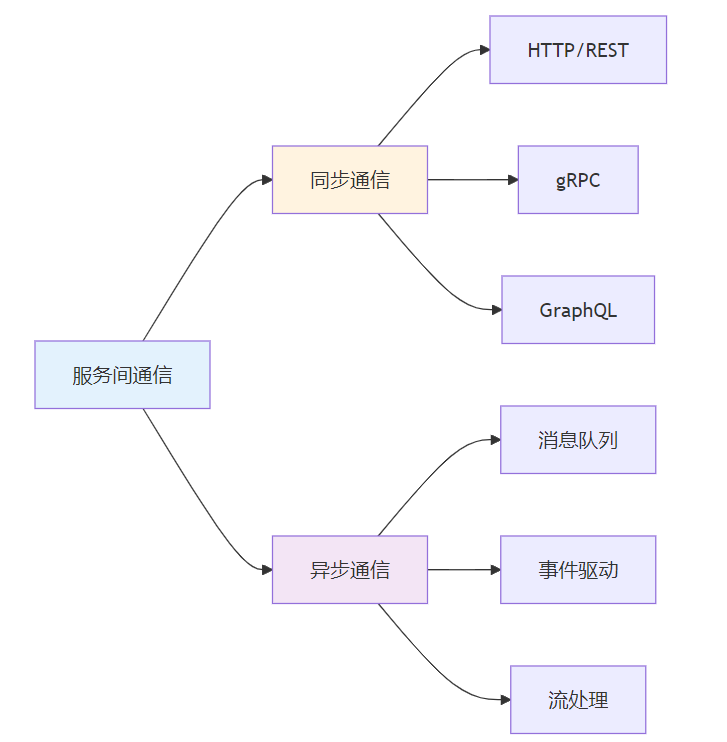
3.1 通信方式选择
同步通信
- HTTP/REST:简单易用
- gRPC:高性能RPC
- GraphQL:灵活查询
异步通信
- 消息队列:解耦通信
- 事件驱动:事件发布订阅
- 流处理:实时数据流
3.2 API设计原则
RESTful设计
- 资源导向
- 无状态
- 统一接口
- 分层系统
版本管理
- URL版本控制
- Header版本控制
- 向后兼容
- 渐进式升级
错误处理
- 统一错误格式
- HTTP状态码
- 错误详细信息
- 错误处理机制
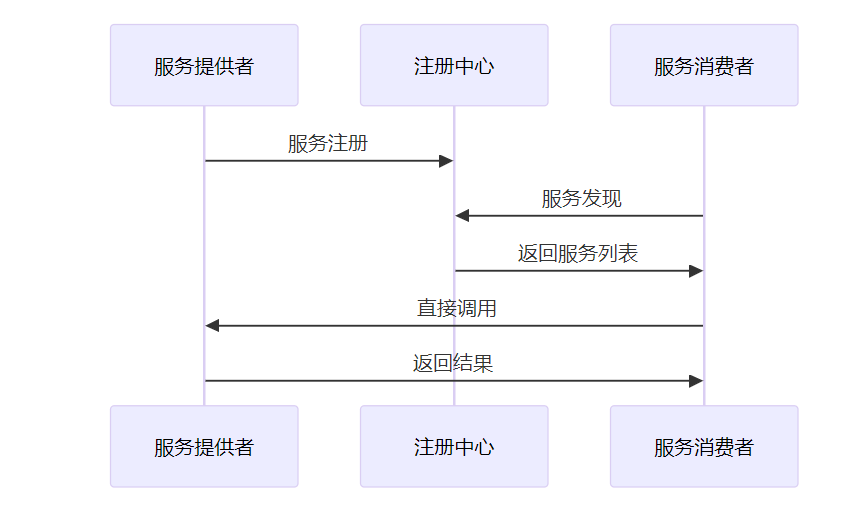
3.3 服务发现与注册
服务注册中心
- Consul:服务发现和配置
- Eureka:Netflix服务发现
- etcd:分布式键值存储
服务发现模式
4. 负载均衡设计
4.1 负载均衡策略
轮询策略
- 简单轮询
- 加权轮询
- 平滑加权轮询
最少连接策略
- 选择连接数最少的服务
- 动态调整权重
- 实时监控连接数
一致性哈希
- 基于请求特征
- 减少数据迁移
- 支持动态扩容

4.2 负载均衡器类型
硬件负载均衡器
- F5 BIG-IP
- Citrix NetScaler
- 高性能硬件
软件负载均衡器
- Nginx
- HAProxy
- Apache HTTP Server
云负载均衡器
- AWS ELB
- Azure Load Balancer
- 阿里云SLB
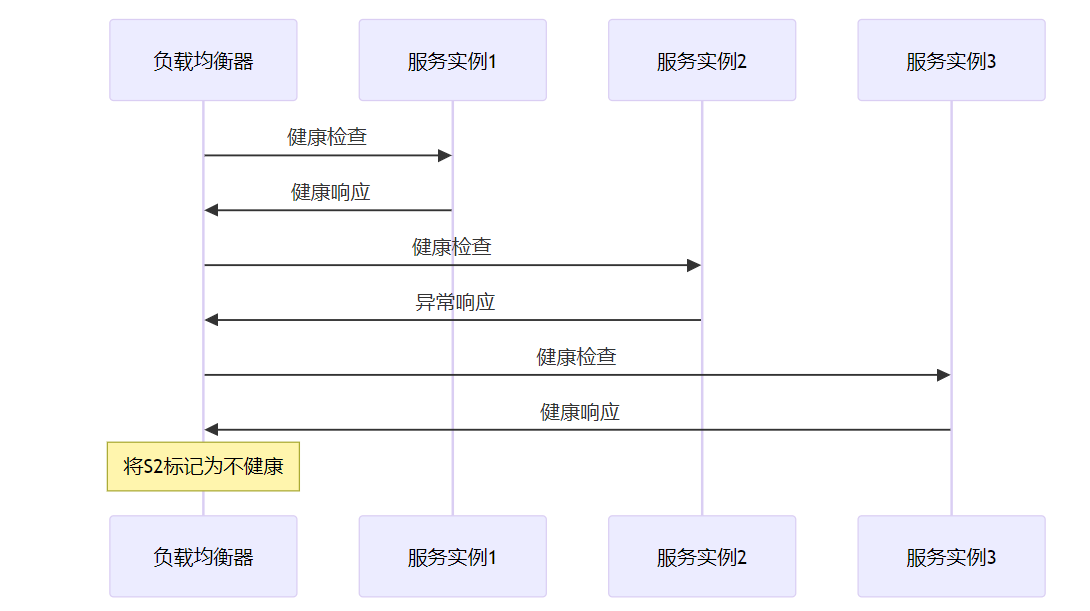
4.3 健康检查机制
检查类型
- HTTP检查:发送HTTP请求
- TCP检查:建立TCP连接
- 自定义检查:业务逻辑检查
检查策略
5. 容错与熔断机制
5.1 容错模式
重试机制
- 指数退避
- 最大重试次数
- 重试条件判断
超时机制
- 连接超时
- 读取超时
- 全局超时
降级策略
- 功能降级
- 服务降级
- 数据降级

5.2 熔断器模式
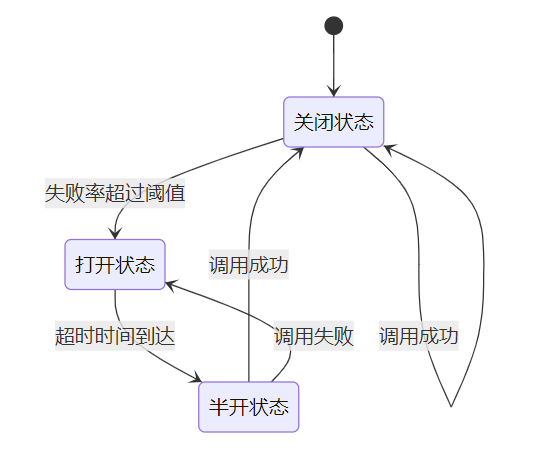
熔断器状态
- 关闭状态:正常调用
- 打开状态:快速失败
- 半开状态:试探调用
熔断器实现
5.3 限流与隔离
限流策略
- 令牌桶:平滑限流
- 漏桶:固定速率
- 滑动窗口:动态限流
隔离策略
- 线程池隔离:资源隔离
- 信号量隔离:并发控制
- 舱壁模式:故障隔离
6. 微服务治理
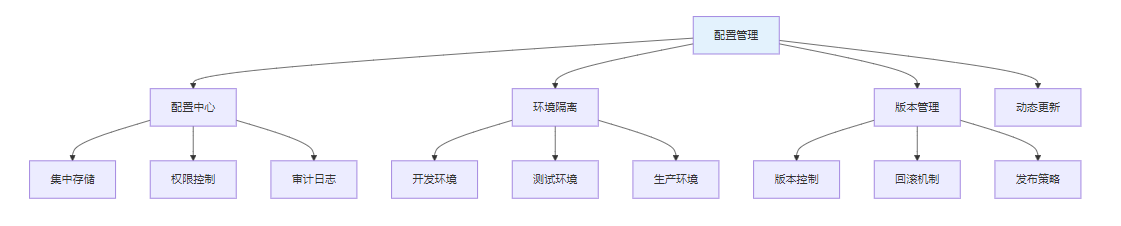
6.1 配置管理
配置中心
- Apollo:携程配置中心
- Nacos:阿里配置中心
- Consul:服务配置
配置管理策略
6.2 监控与日志
监控指标
- 系统指标:CPU、内存、磁盘
- 应用指标:QPS、响应时间、错误率
- 业务指标:用户数、订单数、收入
日志管理
- 集中日志:ELK Stack
- 结构化日志:JSON格式
- 日志分析:实时分析
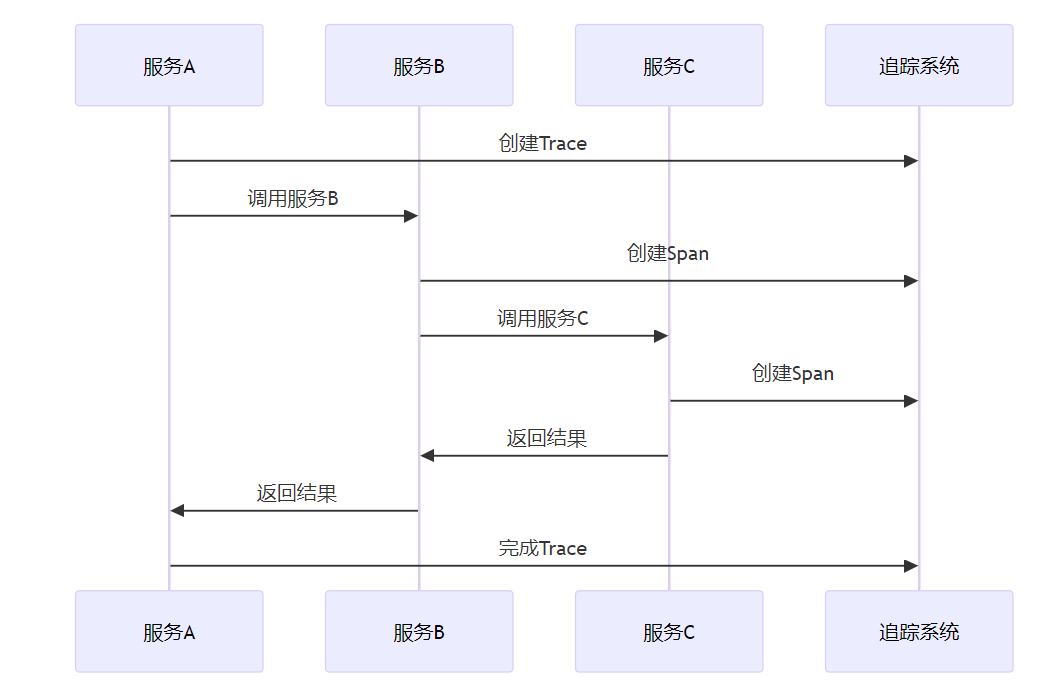
6.3 链路追踪
分布式追踪
- Jaeger:Uber开源
- Zipkin:Twitter开源
- SkyWalking:Apache项目
追踪原理
📝 课程总结
微服务架构通过服务拆分、独立部署、故障隔离等机制,提供了更好的可扩展性和可维护性。掌握微服务架构的设计原则,是构建大型分布式系统的重要基础。
关键要点回顾:
- 微服务架构强调服务的独立性和去中心化
- 服务拆分需要遵循单一职责和业务边界原则
- 服务间通信需要考虑同步和异步两种方式
- 容错和熔断机制是保证系统稳定性的关键

码道开发者社区,聚焦华为云码道 CodeArts 代码智能体,沉淀 Agent、Skill、鸿蒙开发实战内容,供开发者查阅资料、交流技术、分享工程实践
更多推荐



 10
10 0
0- 0


 已为社区贡献3条内容

所有评论(0)