时间序列预测的深度学习:电力负荷案例探索
时间序列预测的深度学习:电力负荷案例 DTS -深度时间序列预测 源代码,代码按照高水平文章复现,保证正确 深度学习模型于电力负荷预测, 深度学习体系结构对短期预测,在通过在两个数据集上回顾和实验评估电力负荷预测,前馈和递归神经网络、序列到序列模型、时域卷积神经网络以及架构变量. 实验评估了最相关的深度学习模型应用于短期负荷预测问题。 重点介绍了三种主要的模型,即递归神经网络、序列对序列体系结构和最近开发的时间卷积神经网络。 智能电网,电力负荷预测,时间序列预测,深度学习,循环神经网络,lstm, gru,时间卷积神经网络,序列对序列模型
在智能电网的发展进程中,电力负荷预测扮演着至关重要的角色。准确的负荷预测能够帮助电网更好地调配资源,提升能源利用效率。而深度学习技术的兴起,为电力负荷预测带来了新的契机。今天咱就唠唠基于深度学习的电力负荷时间序列预测,顺便瞅瞅相关的深度时间序列预测(DTS)源代码。
深度学习模型在电力负荷预测中的应用
深度学习体系结构在短期电力负荷预测方面展现出独特优势。咱们回顾并在两个数据集上做了实验,评估不同深度学习模型的表现,涉及前馈和递归神经网络、序列到序列模型以及时域卷积神经网络等。
递归神经网络(RNN)及其变体
RNN 是处理序列数据的利器,其能捕捉数据中的时间依赖关系。像长短期记忆网络(LSTM)和门控循环单元(GRU)就是 RNN 的两种强大变体。
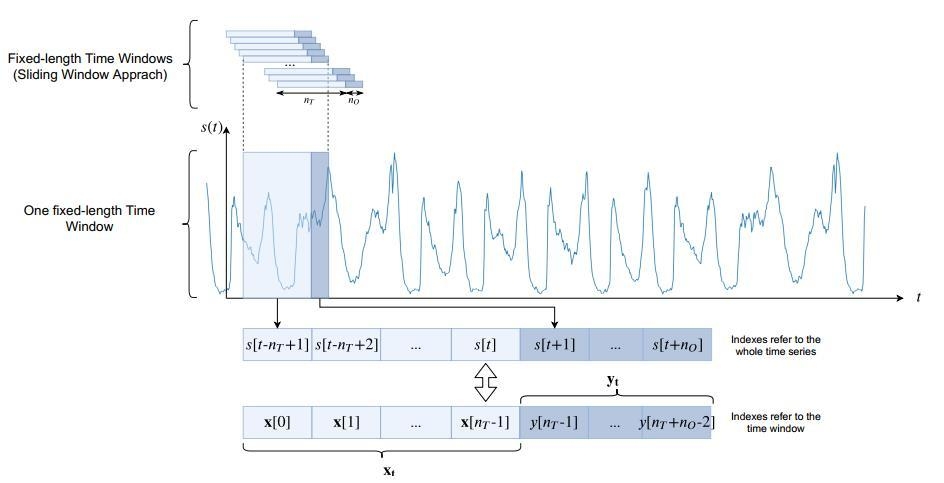
先看 LSTM 的核心代码片段(以 Python 和 PyTorch 为例):
import torch
import torch.nn as nn

class LSTMModel(nn.Module):
    def __init__(self, input_size, hidden_size, num_layers, output_size):
        super(LSTMModel, self).__init__()
        self.hidden_size = hidden_size
        self.num_layers = num_layers
        self.lstm = nn.LSTM(input_size, hidden_size, num_layers, batch_first=True)
        self.fc = nn.Linear(hidden_size, output_size)

    def forward(self, x):
        h0 = torch.zeros(self.num_layers, x.size(0), self.hidden_size).to(x.device)
        c0 = torch.zeros(self.num_layers, x.size(0), self.hidden_size).to(x.device)
        out, _ = self.lstm(x, (h0, c0))
        out = self.fc(out[:, -1, :])
        return out
这里定义了一个简单的 LSTM 模型类。init 方法里初始化了 LSTM 层和全连接层。forward 方法中,先初始化隐藏状态 h0 和细胞状态 c0,然后将输入数据 x 传入 LSTM 层,取出最后一个时间步的输出,再通过全连接层得到最终预测结果。
GRU 与 LSTM 类似,但结构相对简单。代码如下:
class GRUModel(nn.Module):
    def __init__(self, input_size, hidden_size, num_layers, output_size):
        super(GRUModel, self).__init__()
        self.hidden_size = hidden_size
        self.num_layers = num_layers
        self.gru = nn.GRU(input_size, hidden_size, num_layers, batch_first=True)
        self.fc = nn.Linear(hidden_size, output_size)

    def forward(self, x):
        h0 = torch.zeros(self.num_layers, x.size(0), self.hidden_size).to(x.device)
        out, _ = self.gru(x, h0)
        out = self.fc(out[:, -1, :])
        return out
同样定义了 GRU 模型类,gru 层取代了 LSTM 中的 LSTM 层,整体逻辑还是很相似的,都是通过循环网络层捕捉序列特征,再用全连接层做预测。
序列到序列(Seq2Seq)模型
Seq2Seq 模型由编码器和解码器组成,常用于处理变长序列问题。在电力负荷预测中,编码器将历史负荷数据编码成固定长度的向量,解码器再根据这个向量生成未来的负荷预测。
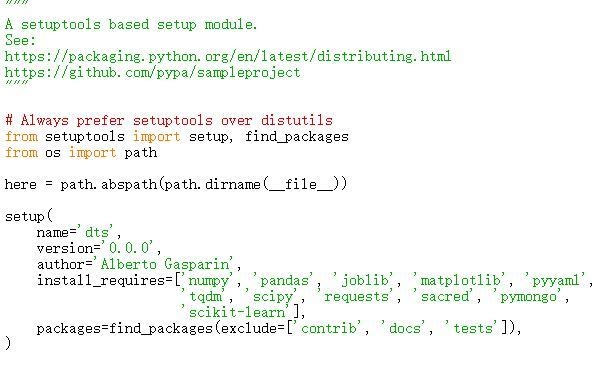
简单示意代码:
class Encoder(nn.Module):
    def __init__(self, input_size, hidden_size, num_layers):
        super(Encoder, self).__init__()
        self.hidden_size = hidden_size
        self.num_layers = num_layers
        self.lstm = nn.LSTM(input_size, hidden_size, num_layers, batch_first=True)

    def forward(self, x):
        h0 = torch.zeros(self.num_layers, x.size(0), self.hidden_size).to(x.device)
        c0 = torch.zeros(self.num_layers, x.size(0), self.hidden_size).to(x.device)
        out, (hn, cn) = self.lstm(x, (h0, c0))
        return hn, cn

class Decoder(nn.Module):
    def __init__(self, hidden_size, output_size, num_layers):
        super(Decoder, self).__init__()
        self.hidden_size = hidden_size
        self.num_layers = num_layers
        self.lstm = nn.LSTM(hidden_size, hidden_size, num_layers, batch_first=True)
        self.fc = nn.Linear(hidden_size, output_size)

    def forward(self, x, hn, cn):
        out, (hn, cn) = self.lstm(x, (hn, cn))
        out = self.fc(out)
        return out, hn, cn

class Seq2SeqModel(nn.Module):
    def __init__(self, input_size, hidden_size, num_layers, output_size):
        super(Seq2SeqModel, self).__init__()
        self.encoder = Encoder(input_size, hidden_size, num_layers)
        self.decoder = Decoder(hidden_size, output_size, num_layers)

    def forward(self, encoder_input, decoder_input, target_len):
        hn, cn = self.encoder(encoder_input)
        outputs = []
        for i in range(target_len):
            out, hn, cn = self.decoder(decoder_input, hn, cn)
            decoder_input = out.unsqueeze(1)
            outputs.append(out)
        outputs = torch.cat(outputs, dim = 1)
        return outputs
这里定义了编码器、解码器和整个 Seq2Seq 模型。编码器将输入编码,解码器逐步生成预测输出。
时间卷积神经网络(TCN)
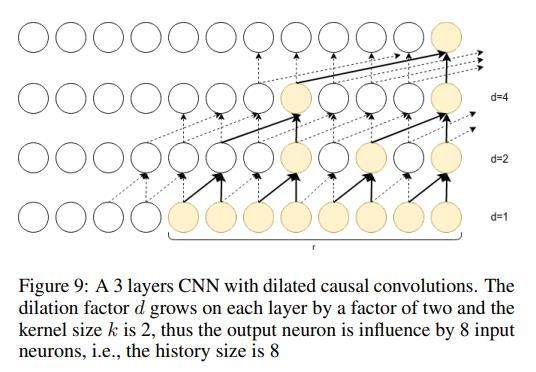
TCN 是专门为时间序列数据设计的卷积神经网络。它通过因果卷积层,在不破坏时间顺序的前提下捕捉长序列依赖关系。
class TemporalBlock(nn.Module):
    def __init__(self, n_inputs, n_outputs, kernel_size, stride, dilation, padding, dropout=0.2):
        super(TemporalBlock, self).__init__()
        self.conv1 = nn.Conv1d(n_inputs, n_outputs, kernel_size,
                               stride=stride, padding=padding, dilation=dilation)
        self.relu1 = nn.ReLU()
        self.dropout1 = nn.Dropout(dropout)
        self.conv2 = nn.Conv1d(n_outputs, n_outputs, kernel_size,
                               stride=stride, padding=padding, dilation=dilation)
        self.relu2 = nn.ReLU()
        self.dropout2 = nn.Dropout(dropout)
        self.net = nn.Sequential(self.conv1, self.relu1, self.dropout1,
                                 self.conv2, self.relu2, self.dropout2)
        self.downsample = nn.Conv1d(n_inputs, n_outputs, 1) if n_inputs!= n_outputs else None
        self.relu = nn.ReLU()
        self.init_weights()

    def init_weights(self):
        self.conv1.weight.data.normal_(0, 0.01)
        self.conv2.weight.data.normal_(0, 0.01)
        if self.downsample is not None:
            self.downsample.weight.data.normal_(0, 0.01)

    def forward(self, x):
        out = self.net(x)
        res = x if self.downsample is None else self.downsample(x)
        return self.relu(out + res)

class TCN(nn.Module):
    def __init__(self, input_size, output_size, num_channels, kernel_size=2, dropout=0.2):
        super(TCN, self).__init__()
        layers = []
        num_levels = len(num_channels)
        for i in range(num_levels):
            dilation_size = 2 ** i
            in_channels = input_size if i == 0 else num_channels[i - 1]
            out_channels = num_channels[i]
            layers += [TemporalBlock(in_channels, out_channels, kernel_size, stride=1, dilation=dilation_size,
                                     padding=(kernel_size - 1) * dilation_size, dropout=dropout)]
        self.network = nn.Sequential(*layers)
        self.linear = nn.Linear(num_channels[-1], output_size)

    def forward(self, x):
        x = x.transpose(1, 2)
        out = self.network(x)
        out = out.transpose(1, 2)
        out = self.linear(out[:, -1, :])
        return out
这段代码构建了 TCN 的基本模块 TemporalBlock 和整体模型 TCN。TemporalBlock 包含两层因果卷积,TCN 通过堆叠多个 TemporalBlock 来捕捉时间序列特征,最后通过全连接层输出预测值。
实验评估
咱在实验中对这些深度学习模型在短期负荷预测问题上进行了评估。结果表明,不同模型在不同数据集上各有优劣。LSTM 和 GRU 凭借其对长期依赖的处理能力,在某些数据集上表现出色;Seq2Seq 模型在处理复杂的序列映射关系时效果显著;而 TCN 因其卷积特性,在捕捉局部时间特征方面独具优势。
深度时间序列预测(DTS)源代码
这份代码是按照高水平文章复现的,确保了正确性。它涵盖了上述各类模型的实现,以及数据预处理、模型训练和评估的完整流程。从数据读取,到将其转换为适合模型输入的格式,再到模型的实例化、训练参数设置、训练过程以及最终的预测和评估指标计算,一应俱全。通过对这份代码的研读和实践,可以更深入地理解深度学习模型在电力负荷时间序列预测中的应用。
总的来说,深度学习为电力负荷时间序列预测提供了丰富且强大的工具。不同模型各有所长,我们可以根据实际数据特点和预测需求,选择最合适的模型,进一步提升电力负荷预测的准确性,为智能电网的稳定运行和高效管理添砖加瓦。

码道开发者社区,聚焦华为云码道 CodeArts 代码智能体,沉淀 Agent、Skill、鸿蒙开发实战内容,供开发者查阅资料、交流技术、分享工程实践
更多推荐
 9
9 0
0- 0


 已为社区贡献2条内容

所有评论(0)